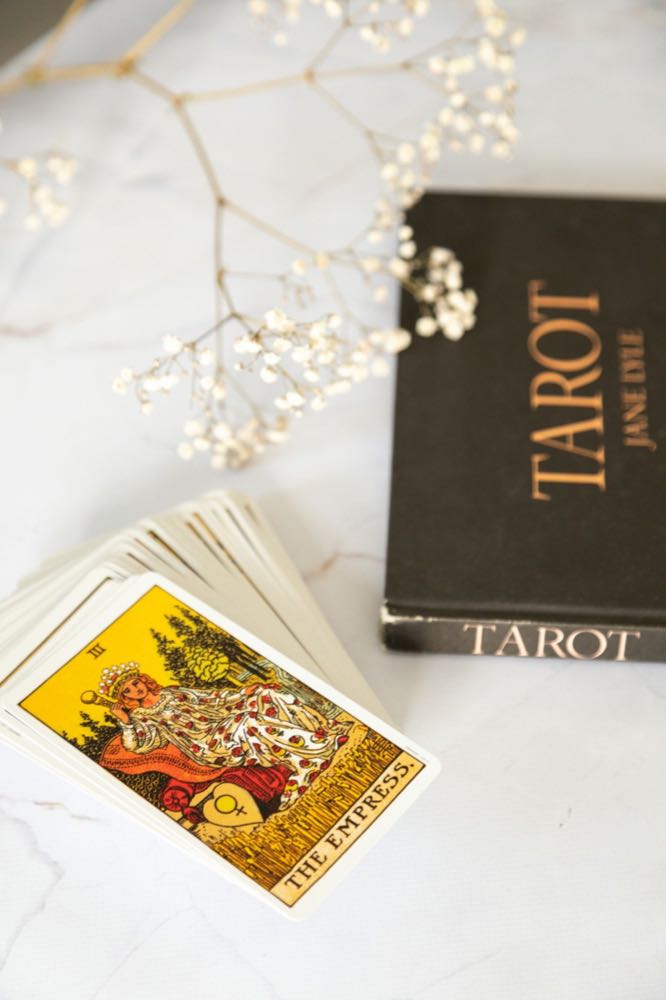
If you have used a popular astrology or tarot app in the last three years, you have probably noticed a strange feature. To run a reading, you do not pay for the reading directly. You pay for gems, or stars, or crystals, or some other in-app currency. Then you spend the gems on the reading. The conversion rate is rarely obvious. The pricing tiers always make the largest pack look like the "best value." And underneath the cosmic packaging, what you are doing is buying tokens in a casino, except the casino is selling you horoscopes.
I will not run Arcana Origin this way. Not because it would not work — it works extremely well, which is why every major app in our space is doing it. I refuse because the practice is corroded by it, and because it treats the user as a mark rather than a guest.
What gems actually do
Three things, mostly. They hide the price. You cannot quickly compute how much one reading costs, because the cost is denominated in a virtual currency you bought at a different conversion rate. The math is opaque on purpose. Even careful users overspend.
They create sunk-cost dynamics. Once you have gems sitting in your account, you spend them. The original cash purchase is psychologically gone. The gems feel like free money. This is the same psychology that runs every successful casino floor, and it is now running in apps that claim to be about self-knowledge.
They allow misleading "discounts". The most common pattern: 10 gems for $4.99 (50¢ per gem), 30 gems for $12.99 (43¢ per gem), 200 gems for $59.99 (30¢ per gem), framed as "best value." The largest pack is labeled "save 94%" or similar. The discount is real, but the framing assumes you will use all 200 gems — which most users do not, which is exactly the point. The app earns most of its margin from gems that are bought and never spent.
What I will charge instead
Three prices, plainly stated. $11 one-time gets you Basic — a single full reading and ten Oracle messages. $33/month gets you Advance — unlimited readings, sixty Oracle messages per cycle, and the Shadow Work panel. $88/month gets you Practitioner — everything in Advance plus a white-label PDF you can give to your own clients. No tokens. No bundles. No "5x value." If you cancel, you keep access until the period you paid for ends.
I am willing to give up the margin gem apps make, because the moat is not the margin. The moat is being the spiritual product that does not corrode the practice. If the only way to extract another four dollars from you is to make you forget how much you have spent, the product is no longer about what it claims to be about. It is about extraction.
This is not a moral lecture
I am not arguing that the people building gem-based apps are bad. They are doing what their growth team optimized them to do, and the math works. I am arguing that there is a small, durable market for a product that refuses to. That is the market Arcana Origin is built for. Quiet pricing. Plain math. One bill at a time. And when the bill comes, no surprise.