The man who gave the modern world Chaldean numerology was not a Chaldean. He was an Irishman from outside Dublin, born in 1866, who took the name Cheiro from the Greek word for hand. He read palms for Mark Twain, for Oscar Wilde, for the Prince of Wales. He died in Hollywood in 1936, having accumulated, by Time's reckoning, a quarter of a million dollars in fees from rich women. The system he built has outlived him by ninety years.
I. The man
His given name was William John Warner.[1] The title — Count Louis Hamon — was furniture, attached for the rooms he wished to enter. According to his memoirs he had crossed to Bombay as a teenager, met a Chitpavan Brahmin at the port of Apollo Bunder, and been taken into the Konkan valley to read a manuscript on the hand. The manuscript has never been produced. The Brahmin has never been named. The journey is the kind of journey nineteenth-century occultists liked to claim: long, eastward, witnessed by no one.
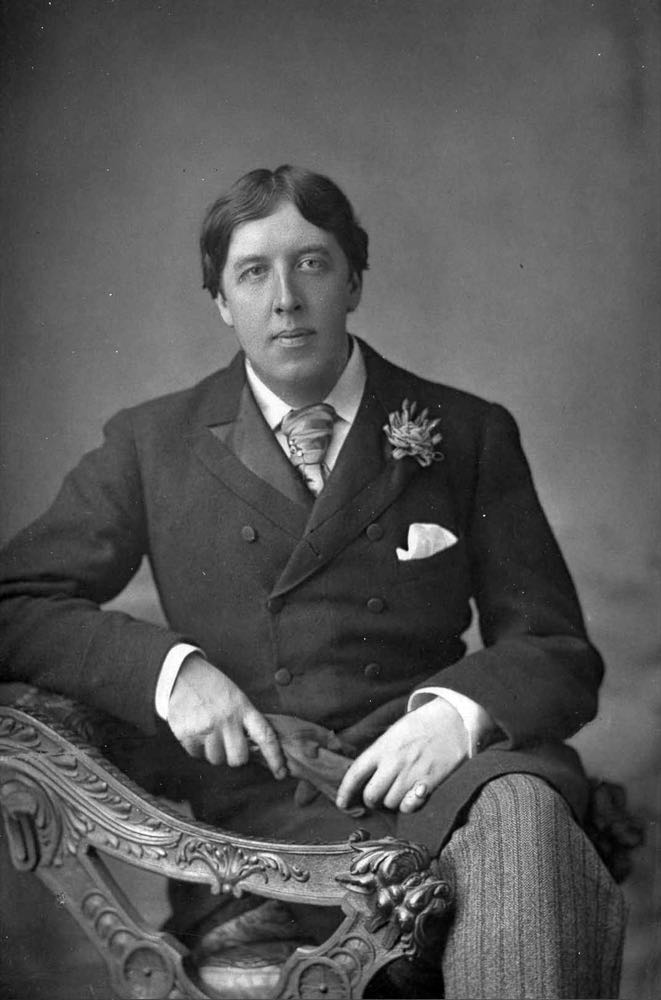
What is documented is the visitor's book. Mark Twain signed it. So did Oscar Wilde, Sarah Bernhardt, Thomas Edison, Mata Hari, Gladstone, Edison, the Prince of Wales who would later abdicate.
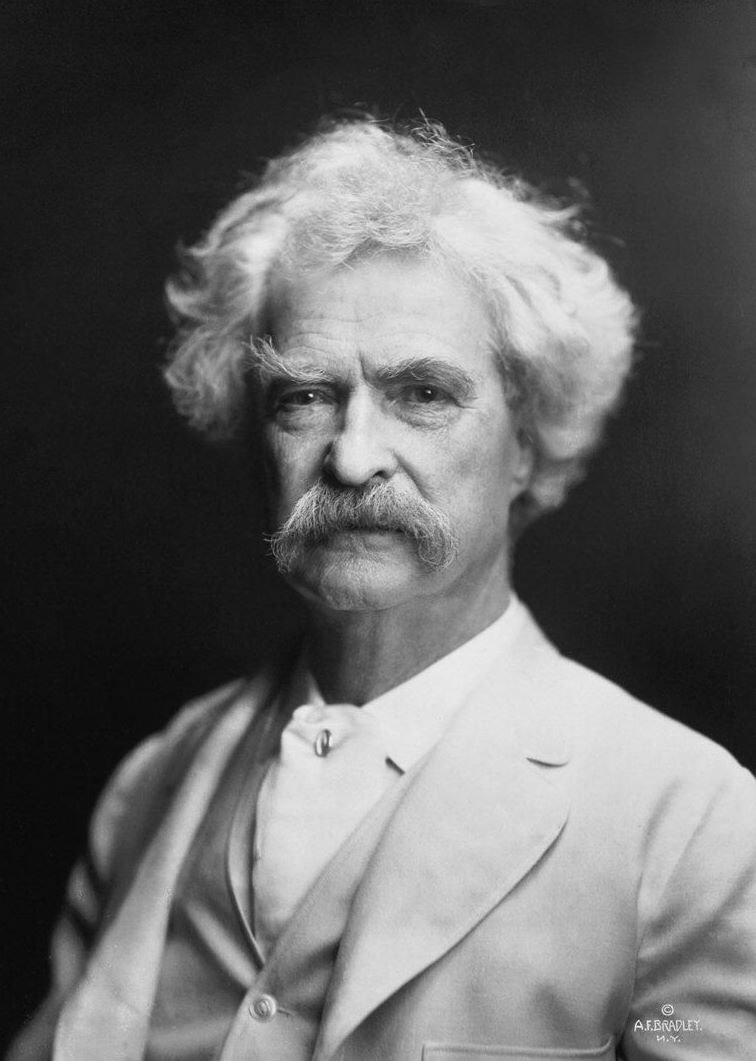
Cheiro has exposed my character to me with humiliating accuracy. — Mark Twain, in Cheiro's visitor's book
II. The book
Cheiro's Book of Numbers was published in 1925.[2] It does three things at once. It assigns letters to numbers in a way that breaks from the Pythagorean alphabetical system used by every American numerologist of the period — values one through eight, never nine, the nine reserved as sacred. It lays out a table of compound numbers, ten through fifty-two, each with its own meaning, refusing to reduce them to single digits. And it gives the system a name with weight: Chaldean.
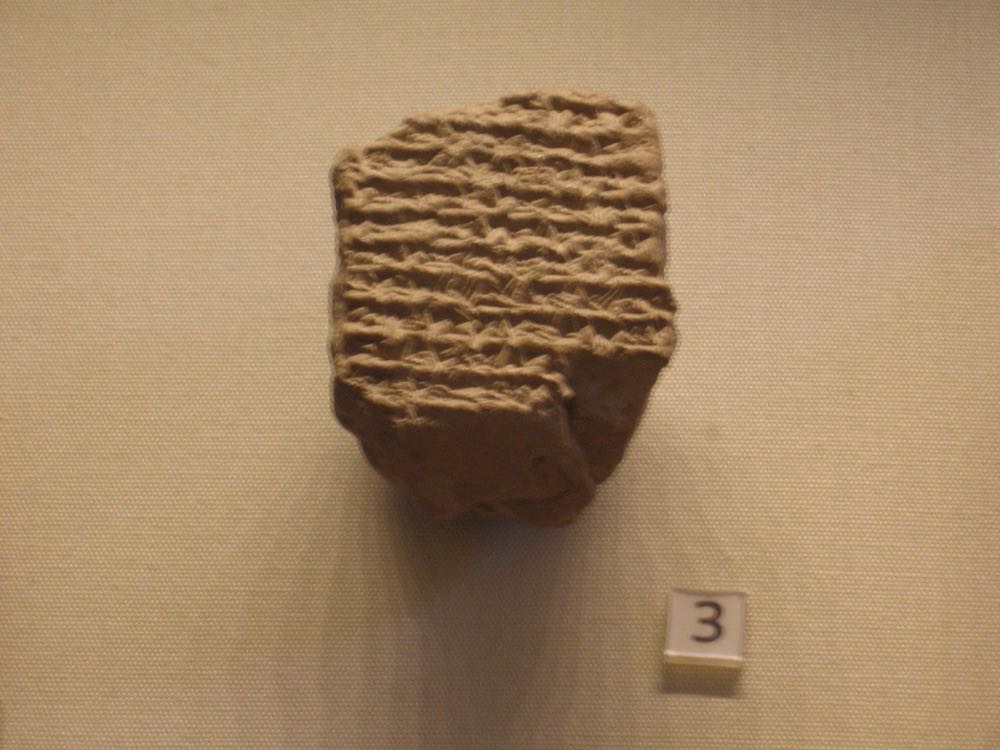
The Chaldeans were the Greek world's image of the deep East — priest-astronomers of southern Mesopotamia, watchers of clay tablets, makers of horoscopes long before Greek philosophy. To call a thing Chaldean in 1925 was to say old, Eastern, true. Cheiro reached for the word the way a stage magician reaches for velvet.
III. The provenance
The historical Chaldeans did practice astronomy. They did keep birth-charts. Their cuneiform tablets survive by the thousand in the British Museum. None of those tablets contain the letter-to-number correspondences Cheiro published. The skeptic James Randi, in his 1995 Encyclopedia of Claims, Frauds, and Hoaxes, files Cheiro under deliberately self-mythologizing figures of the late-Victorian occult revival.[3] The Wikipedia biography uses Randi as a primary source.[1] The scholarly consensus is settled. The provenance is invention.
And yet.
IV. What survives
The book is well-made. The compound-number table gives forty-three distinct readings where Pythagorean numerology gives nine. The man who wrote it foresaw, in print, the abdication of Edward VIII a decade before it happened. He predicted the Jews would return to Palestine and the country would again be called Israel — twelve years before either. A century later his system is still in print, still consulted, still in every reading Arcana Origin generates.
Whether the manuscript existed is the wrong question. The system exists. It is a portrait gallery the reader walks through. The walls were assembled in a Bond Street townhouse, not a Mesopotamian temple — but the figures hanging there can still be looked at, and they still look back.
Walk through your own gallery: our free Chaldean numerology calculator maps the letters of your name to Cheiro's compound numbers instantly, in your browser, with no sign-up.